<?xml version="1.0" encoding="UTF-8"?>
<rss version="2.0"
	xmlns:content="http://purl.org/rss/1.0/modules/content/"
	xmlns:wfw="http://wellformedweb.org/CommentAPI/"
	xmlns:dc="http://purl.org/dc/elements/1.1/"
	xmlns:atom="http://www.w3.org/2005/Atom"
	xmlns:sy="http://purl.org/rss/1.0/modules/syndication/"
	xmlns:slash="http://purl.org/rss/1.0/modules/slash/"
	>

<channel>
	<title>Montreal Underground :: Montreal tourist guide, Montreal information, Montreal news</title>
	<atom:link href="http://www.montreal-underground.com/feed/" rel="self" type="application/rss+xml" />
	<link>http://www.montreal-underground.com</link>
	<description>Montreal tourist guide, Montreal information, Montreal news</description>
	<lastBuildDate>Tue, 08 May 2012 18:46:10 +0000</lastBuildDate>
	<language>en</language>
	<sy:updatePeriod>hourly</sy:updatePeriod>
	<sy:updateFrequency>1</sy:updateFrequency>
	<generator>http://wordpress.org/?v=3.3.2</generator>
		<item>
		<title>Montréal &#8211; city of contrasts</title>
		<link>http://www.montreal-underground.com/uncategorized/montreal-city-of-contrasts/</link>
		<comments>http://www.montreal-underground.com/uncategorized/montreal-city-of-contrasts/#comments</comments>
		<pubDate>Wed, 04 Apr 2012 18:26:27 +0000</pubDate>
		<dc:creator>andy</dc:creator>
				<category><![CDATA[Uncategorized]]></category>

		<guid isPermaLink="false">http://www.montreal-underground.com/?p=104</guid>
		<description><![CDATA[Montréal is the second largest French speaking city after Paris with 3.4 million inhabitants. It is a center of cultures from around the world with a mosaic of different neighborhoods and gastronomic diversity. Its architectural legacy spread out over four centuries of history &#8211; from the French Empire to the present time. Montreal is very [...]]]></description>
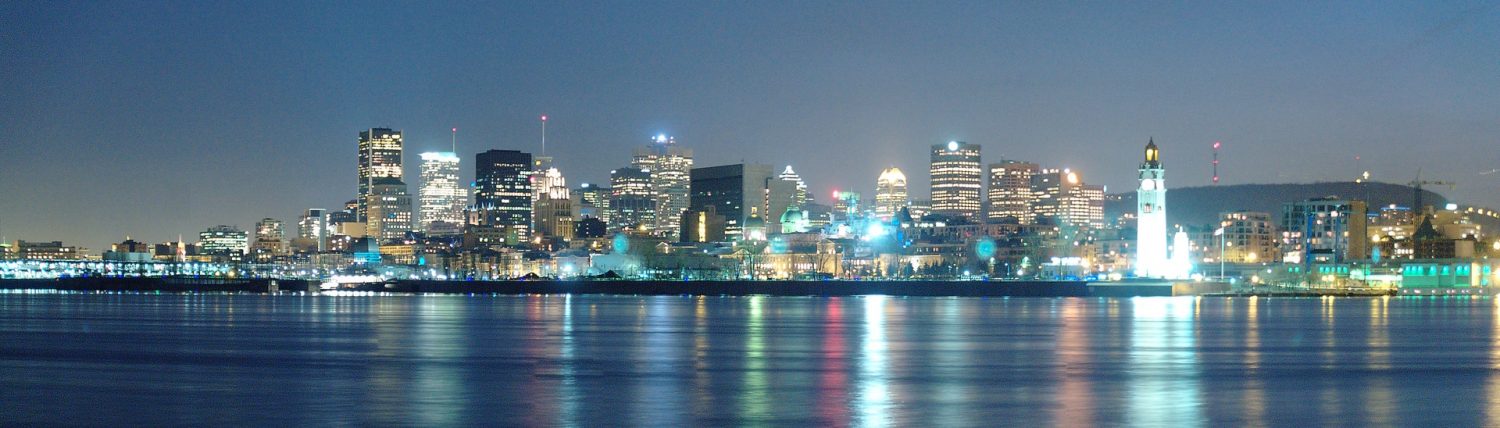
			<content:encoded><![CDATA[<p><img src="http://www.montreal-underground.com/images/city-of-montreal.jpg" align="right" />Montréal is the second largest French speaking city after Paris with 3.4 million inhabitants. It is a center of cultures from around the world with a mosaic of different neighborhoods and gastronomic diversity. Its architectural legacy spread out over four centuries of history &#8211; from the French Empire to the present time. Montreal is very cosmopolitan, despite its insular position. This vibrant city is characterized by its impressive atmosphere.</p>
<p><strong>The Old Montreal</strong></p>
<p>Even today, there are still horse carriages rolling the streets of Old Montreal (<em>Vieux Montreal</em>) over the cobblestones houses from the 18th and 19th century. The historical and archaeological museum <em>Pointe-à-Callière</em>, which is next to the museum <em>Marguerite-Bourgeoys</em> is the best insight into the city&#8217;s history. The Museum shows artifact collections from the original nations of the area of Montreal that illustrate how many different cultures interacted and coexisted, and how the British and French regimes inclined the history of this country through the years. There you can find 350 years old relics. Very near is located the <em>Notre-Dame Basilica</em> in neo-Gothic style inspired by the rich features of its interior.</p>
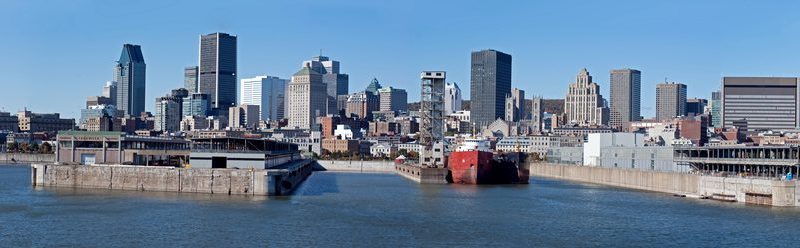
<p><span id="more-104"></span><a href="http://www.montreal-underground.com/images/montreal-panorama.jpg" target="_blank"><img src="http://www.montreal-underground.com/images/montreal-panorama2.jpg" align="left" alt="Montreal Panorama" border="0"/></a><strong>View of Montréal</strong></p>
<p><em>Mont Royal</em> provides an incomparable view over the city of Montréal with its magnificent park. At one side of the mountain stands the imposing dome of the <em>Saint-Joseph Oratory</em>, which attracts pilgrims from all over the world. The <em>Olympic Tower</em> provides a spectacular view! The inclined tower dominates the terrain on which the Summer Olympics were held in 1976th. In addition to the Olympic Stadium, here is located also the <em>Montreal Biodome</em> where are represented the flora and the fauna of four different ecosystems. There you can find also the second-largest botanical garden in the world which lies with its extensive collections of plants in the enchanting Chinese and Japanese gardens and the <em>Montréal Insectarium</em>.</p>
<p><strong>The Old Port of Montreal</strong></p>
<p>In the middle of the city the <em>St. Lawrence River</em> is the main port by sea, which connects the Atlantic Ocean with the Great Lakes. In the grand Old Port (<em>Vieux Port</em>) main attractions include <em>Centre Des Sciences De Montréal</em> -a large complex dedicated to science and technology. The Old Port also offers a wide range of boat trips. The two river island, located on <em>Parc Jean-Drapeau</em> is visited all year by families who use the various outdoor offers, or enjoy themselves in the popular <em>La Ronde</em> amusement park. In the Parc Jean-Drapeau you can find also the elegant <em>Casino de Montréal</em>.</p>
<p><img src="http://www.montreal-underground.com/images/interior-notre-dame-basilica.jpg" align="right" alt="View interior of the Notre-Dame Basilica, Montreal"/><strong>What more can you experience?</strong></p>
<p>Montreal&#8217;s exciting cultural scene is characterized by energetic creativity. There are many theaters and cinemas that show programs for every taste. You can also visit and experience the bustling life in the trendy bars, cafes and nightclubs. Even the diehard night owls can get out of breath. In addition, you can go to the shopper&#8217;s paradise &#8211; the fashion city of Montreal.<br />
The art-loving city can offer around 30 museums. Among them are the Museum of Fine Arts (<em>Musée des Beaux-Arts</em>), the oldest museum in Canada, the Canadian Center for Architecture (<em>Center Canadien d&#8217;architecture</em>), known for its unique collections and fantastic exhibits, and the Museum of Contemporary Art (<em>Musée d&#8217;art contemporain de Montréal</em>). The latter, by the way is the first of its kind in Canada. It was integrated into the building complex Art space (<em>Place des Arts</em>) where the big stars are performing on the stage of the arts for over forty years with honor. This is also the home of the Symphony Orchestra (<em>l&#8217;Orchestre symphonique de Montréal</em>), the Opera (<em>L&#8217;Opéra de Montréal</em>), and the Ballet (<em>Les Grands Ballets</em>).</p>
]]></content:encoded>
			<wfw:commentRss>http://www.montreal-underground.com/uncategorized/montreal-city-of-contrasts/feed/</wfw:commentRss>
		<slash:comments>0</slash:comments>
		</item>
		<item>
		<title>Montréal &#8211; The cultural capital of Canada</title>
		<link>http://www.montreal-underground.com/tourism/montreal-the-cultural-capital-of-canada/</link>
		<comments>http://www.montreal-underground.com/tourism/montreal-the-cultural-capital-of-canada/#comments</comments>
		<pubDate>Wed, 04 Apr 2012 18:24:52 +0000</pubDate>
		<dc:creator>andy</dc:creator>
				<category><![CDATA[tourism]]></category>

		<guid isPermaLink="false">http://www.montreal-underground.com/?p=101</guid>
		<description><![CDATA[Montreal, the second largest city in Canada was founded in 1642. However, several Native American tribes had been settled at the place already for 8000 years. After Paris, the metropolitan area of Montreal also known as “Greater Montreal”, is the second largest French-speaking city in the world. Today, Montreal is worldwide famous for being one [...]]]></description>
			<content:encoded><![CDATA[<p>Montreal, the second largest city in Canada was founded in 1642. However, several Native American tribes had been settled at the place already for 8000 years. After Paris, the metropolitan area of Montreal also known as “<em>Greater Montreal</em>”, is the second largest French-speaking city in the world. Today, Montreal is worldwide famous for being one of the most important cultural centers in Northern America. In addition, the city hosted the Olympic Summer Games in 1976. Since 1967 (with the exception of 2009), the Canadian Formula 1 Grand Prix is held in Montreal.</p>
<p><span id="more-101"></span>Montreal has the largest underground city, <em>La Ville Souterraine</em>, in the world. It covers more than 12 km², while the underground shopping malls exceed 32 km. It connects the major cultural centers and tourist attractions in Downtown Montreal. You can enter the underground city by several public access points, six metro stations, two train stations or via the bus terminal. </p>
<p>The city is known for its huge variety of theaters, orchestra, ballets and operas. The major center for performing arts is the <em>Place de Artes</em>. Not less than five different theaters are located here and the new concert hall for the <em>Montreal Symphony Orchestra</em> is planned to be opened next year. The majority of the theatres show their performances in French, while English theaters usually face more difficulties. The different orchestras in the city belong to the most important symphonic orchestras in the world.  </p>
<p>The most important ballet of Canada, the <em>Les Grands Ballets Canadiens de Montréal</em> was found in 1957. It show the classics of the 19th century and the modern works of the 20th century. Every season four new performances are shown. Some of the world most famous dancers started their career in this company. In addition, many international ballet companies perform their shows in Montreal.<br />
Although the <em>Montreal Opera</em> is a relative young ensemble, it was founded in 1980 and belongs already to the 15 most important operas of Northern America. It shows a mixture of modern and classical opera masterpieces. </p>
<p>But Montreal is not only a center of classical music, it is also known for its famous <em>International Jazz and Pop festivals</em>. On the occasion of its 30th birthday, the Jazz festival featured in 2009 more than 500 concerts by more than 2000 musicians. More than two million visitors came to city to enjoy the outstanding music performances during the first twelve days in July. Some of the concerts were held in small pubs and in theatre halls all over the city, but almost every second concert was an open-air concert. Some of the concerts were seen by more than 200,000 music enthusiasts as visitors. It is certainly the most important Jazz festival in the world.</p>
<p>During the summer, another spectacle takes place in the city, the <em>Montreal Fireworks Festival</em>. It is a major international fireworks competition. During the competition, several pyrotechnical companies present their shows of 30 minutes length. During each show, approximately 6000 fireworks are set off. In total, more than 3 million visitors enjoyed the fascination of these shows. Maybe next year, you will be one of them.</p>
]]></content:encoded>
			<wfw:commentRss>http://www.montreal-underground.com/tourism/montreal-the-cultural-capital-of-canada/feed/</wfw:commentRss>
		<slash:comments>0</slash:comments>
		</item>
		<item>
		<title>Meeting a young band: Bright September</title>
		<link>http://www.montreal-underground.com/music/meeting-a-young-band-bright-september/</link>
		<comments>http://www.montreal-underground.com/music/meeting-a-young-band-bright-september/#comments</comments>
		<pubDate>Wed, 04 Apr 2012 18:23:55 +0000</pubDate>
		<dc:creator>andy</dc:creator>
				<category><![CDATA[music]]></category>

		<guid isPermaLink="false">http://www.montreal-underground.com/?p=158</guid>
		<description><![CDATA[In September 2010, Esther (vocals / guitar) and Stephane (guitar / vocals) merged their respective artistic universes to create a dozen melancholy pop songs tinged with ambient rock: Bright September was born. Early on, the duo performed on various stages across the city to test their compositions. The attention to acoustic guitars, powerful melodies and [...]]]></description>
			<content:encoded><![CDATA[<p><img src="http://www.montreal-underground.com/images/bright-september-sm.jpg" align="right">In September 2010, Esther (vocals / guitar) and Stephane (guitar / vocals) merged their respective artistic universes to create a dozen melancholy pop songs tinged with ambient rock: Bright September was born. </p>
<p>Early on, the duo performed on various stages across the city to test their compositions. The attention to acoustic guitars, powerful melodies and the haunting voice of Esther immediately seduced the audience. </p>
<p>Based on this experience, they included additional musicians who further enriches their music. </p>
<p>For a wise mix of intimate moods and pure energy look for their live shows in the city. And in the meantime &#8230; the band just released its first EP which is now available online (Amazon, Facebook, Spotify, Record Union &#8230;).</p>
<p>For more information on this band take a look at their myspace profile <a href="http://www.myspace.com/brightseptember" target="_blank" rel="nofollow">http://www.myspace.com/brightseptember</a></p>
<p>Enjoy the music!</p>
]]></content:encoded>
			<wfw:commentRss>http://www.montreal-underground.com/music/meeting-a-young-band-bright-september/feed/</wfw:commentRss>
		<slash:comments>0</slash:comments>
		</item>
		<item>
		<title>Hello from Montreal: One Final Walk Through Downtown, Admiring Its Architectural Beauties</title>
		<link>http://www.montreal-underground.com/tourism/hello-from-montreal-one-final-walk-through-downtown-admiring-its-architectural-beauties/</link>
		<comments>http://www.montreal-underground.com/tourism/hello-from-montreal-one-final-walk-through-downtown-admiring-its-architectural-beauties/#comments</comments>
		<pubDate>Sat, 02 Jan 2010 16:41:16 +0000</pubDate>
		<dc:creator>andy</dc:creator>
				<category><![CDATA[tourism]]></category>

		<guid isPermaLink="false">http://www.montreal-underground.com/?p=54</guid>
		<description><![CDATA[My exciting long weekend in Montreal unfortunately had to come to an end. After an exciting day of exploration yesterday that ended with an absolutely delicious dinner at Nuances, the fine dining restaurant at the Casino de Montreal, capped by an impressive pyro-musical performance at La Ronde, I rested up so I would be able [...]]]></description>
			<content:encoded><![CDATA[<p>My exciting long weekend in Montreal unfortunately had to come                to an end. After an exciting day of exploration yesterday that ended                with an absolutely delicious                dinner at Nuances, the fine dining restaurant at the Casino                de Montreal, capped by an impressive pyro-musical performance at                La Ronde, I rested up so I would be able to squeeze in a few more                hours of discovery this morning. One more exploration of the city                before I would have to had back to Toronto on the train before noon.</p>
<p>With all my suitcases duly packed I went off for one more urban                adventure. Fortunately checkout wasn&#8217;t until noon, so I was able                to leave my luggage at the hotel and just head off with my camera                and my backpack. I started walking west on Rue De La Gauchetière                Ouest which starts off as a fairly small street surrounded by five                or six story high older buildings. The first major sight I came                across was <strong>St. Patrick&#8217;s Basilica</strong>.</p>
<p><img src="http://www.travelandtransitions.com/stories_photos/images/montreal_finalwalk1.jpg" alt="" width="300" height="400" /><br />
St. Patrick&#8217;s Basilica</p>
<p><span id="more-54"></span>This gothic revival building, a designated Canadian heritage site,                is one of the most magnificent examples of this style in all of                Canada. The massive arrival of Irish immigrants in the early 1800s                created the need for more houses of worship and construction of                St. Patrick&#8217;s was started in 1843 with the first mass being celebrated                in 1847. The interior of this church features 150 oil paintings                of saints and is known for the &#8220;St. Patrick&#8217;s Chimes&#8221;,                a chime system composed of ten bells, the oldest of which dates                back to 1774.</p>
<p>I continued west past increasingly modern buildings until I happened                across a major urban square: <strong>Dorchester Square</strong>,                formerly known as Dominion Square. This wide open public space is                a former cemetery which held the victims of the 1832 cholera epidemic.                Today it holds several statues, including a monument commemorating                the victims of the Boers War, a statue of Robert Burns &#8211; a Scottish                poet, and another statue of Sir Wilfried Laurier, a former Canadian                prime minister.</p>
<p><img src="http://www.travelandtransitions.com/stories_photos/images/montreal_finalwalk11.jpg" alt="" width="300" height="400" /></p>
<p>The south side of the square is called <em><strong>Place du Canada,</strong> </em>which is the setting for the annual Remembrance Day ceremony                which honours Canadians that were killed in the First and Second                World Wars as well as the Korean War. Dorchester Square is surrounded                by several magnificent buildings. The north end holds the Dominion                Square Building which is also the location of the <em>Centre                Infotouriste</em>, Montreal Tourism&#8217;s headquarters.</p>
<p><img src="http://www.travelandtransitions.com/stories_photos/images/montreal_finalwalk6.jpg" alt="" width="400" height="300" /><br />
Centre Infotouriste &#8211; Dominion Square Building</p>
<p>The east side of Dorchester Square is adorned by one of Montreal&#8217;s                most astounding buildings:<strong> Mary Queen of the World Cathedral</strong>.                This impressive church is one of two surviving local churches from                the era before 1875. It illustrates the power that the church wielded                before the Quiet Revolution of the 1960s. One of Montreal&#8217;s catholic                bishops, Ignace Bourget, devised a grandiose plan to outshine the                Notre Dame Basilica.</p>
<p><img src="http://www.travelandtransitions.com/stories_photos/images/montreal_finalwalk2.jpg" alt="" width="400" height="300" /><br />
Mary Queen of the World</p>
<p>He decided to commission a church that would be a replica of Rome&#8217;s                St. Peter&#8217;s Cathedral with a location right in the middle of a Protestant                neighbourhood. Construction lasted from 1870 to 1894 and the copper                statues of thirteen patron saints of Montreal&#8217;s parishes were installed                in 1900. The church underwent extensive modernization in the 1950s.                In recent years there has been significant reconstruction and the                statue of Bishop Ignace Bourget outside the cathedral was restored                in 2005. Mary Queen of the World was named a National Historic Site                of Canada on May 14, 2006.</p>
<p><img src="http://www.travelandtransitions.com/stories_photos/images/montreal_finalwalk10.jpg" alt="" width="300" height="400" /><br />
Interior of Mary Queen of the World</p>
<p>Further north on Place du Canada is the <strong>Sun Life Building</strong> which was finished in 1931 after three stages of construction. It                was built exclusively for the Sun Life Assurance Company and measures                122 meters in height and counts 24 stories. Although the new head                office of the Royal Bank of Canada at 360 Saint Jacques Street in                Montreal was taller by several floors, the Sun Life Building was                at the time the largest building in terms of square footage anywhere                in the British Empire. The Sun Life Building has historic significance:                during World War II the basement vaults of the Sun Life Building                were the secret hiding place of the Crown Jewels of England and                the gold bullion of the Bank of England. Today it stands as Montreal&#8217;s                17th highest building.</p>
<p><img src="http://www.travelandtransitions.com/stories_photos/images/montreal_finalwalk3.jpg" alt="" width="300" height="400" /><br />
Sun Life Building, Place du Canada</p>
<p>On the West side of Place du Canada are also several historic buildings,                starting with<strong> St. George&#8217;s Anglican Church</strong>, a Gothic                Revival-style church, which was opened for worship in October of                1870. Its main features include the magnificent double hammer-beam                roof, one of the largest of its type in the world. The unique column-free                interior combines elements of both English and French Gothic plans,                and the church features magnificent wood carvings in the chancel.</p>
<p><img src="http://www.travelandtransitions.com/stories_photos/images/montreal_finalwalk9.jpg" alt="" width="400" height="300" /><br />
St. George&#8217;s Anglican Church</p>
<p>The original bells of the church had to be sent out to a country                church since the sound of the 13 bells was considered too loud for                a city church. A new set of 10 bells of a lower tone was installed                in 1901 and the new sound was deemed to be beautiful. The original                architect considered to include a clock in the clock tower but was                concerned about a clock spoiling the appearance. In addition, with                the church facing Windsor Station, the architect was afraid of the                wrath of railway passengers in the event that the clock was going                to be inaccurate. Nevertheless, the clock was installed, only losing                6 seconds a year. A public clock was extremely important to people                at the time since wrist watches had not been invented yet and pocket                watches were difficult to access under thick winter apparel.</p>
<p><img src="http://www.travelandtransitions.com/stories_photos/images/montreal_finalwalk4.jpg" alt="" width="300" height="400" /><br />
St. George&#8217;s Anglican Church with its delicately sculpted sandstone                exterior.</p>
<p>Right across the Street from St. George&#8217;s is <strong>Windsor Station </strong>- one of Montreal&#8217;s historic railway stations. Cornelius                Van Horne, the famous chairman of Canadian Pacific, asked well-known                architect Bruce Price to draw up plans for a modern railway station                in 1887 to serve Canada&#8217;s transcontinental railroad. Price had already                gained lots of experience from constructing skyscrapers in Manhattan,                he had also built the Chateau Frontenac in Quebec City, the Banff                Springs Hotel and other chateau-style buildings across Canada and                was the prime candidate to build this project. The railway station                opened in 1889 and was enlarged in 1916 with a 15-story main tower.                Windsor Station, built in a solid Richardson Romanesque revival                style, witnessed a big expansion in rail travel in the early 20th                century. In 1979 Windsor Station was abandoned in favour of Montreal&#8217;s                Gare Centrale for transcontinental passenger traffic, but continued                to house local commuter trains until 1993. Today it holds a hotel,                a variety of stores and offices and the beautifully preserved central                concourse still features the original arrivals and departure board                and is used as a venue for major events. A major beer festival is                also held at the Station annually. In recognition of its historic                and architectural significance Windsor Station was named the first                heritage train station in Canada in 1990.<br />
<img src="http://www.travelandtransitions.com/stories_photos/images/montreal_finalwalk5.jpg" alt="" width="400" height="300" /><br />
Windsor Station</p>
<p>After my explorations on Dorchester Square I strolled to the north-east                end of this grand public space to enter one of Montreal&#8217;s most popular                streets: Rue St-Catharines. This street stretches for a length of                15 km and is Montreal&#8217;s main commercial artery. Hundreds of stores                and fashion retailers are located along this busy street and it                also is the main location of the Montreal Jazz Festival. Since the                1960s several shopping centres have sprouted up and replaced some                of the older townhouses that used to flank this historical thoroughfare.                Montreal&#8217;s Eaton Centre is the most recent addition to the shopping                centres on St. Catharines.</p>
<p><img src="http://www.travelandtransitions.com/stories_photos/images/montreal_finalwalk7.jpg" alt="" width="300" height="400" /><br />
Christ Church Cathedral</p>
<p>This street also features a wealth of historic buildings including                <strong>Christ Church Cathedral. </strong>This impressive Neo-Gothic                church was built in 1858 and consecrated in 1867 in the growing                Gold Square Mile area. The architect Frank Mills used the cathedral                of Salisbury, his home town, as a model for this building. The church                features a beautiful stained glass window and surprisingly, the                church itself rests on the roofs of an underground mall. Prior to                the construction of the mall, the church was actually sinking into                the soft ground. Indeed the original steeple had to be removed in                1927 due to its heavy weight and a much lighter steeple made of                aluminum was constructed in 1940. Today the underground shopping                centre, whose 1987 excavation required the church to be supported                by concrete beams in mid-air, provides adequate structural support                for the church. The 34-story office tower behind the church is topped                by a crown of thorns and makes for a popular photo motif.</p>
<p><img src="http://www.travelandtransitions.com/stories_photos/images/montreal_finalwalk14.jpg" alt="" width="300" height="400" /><br />
Phillips Square</p>
<p>I continued to walk east on St. Catherines and happened upon <strong>Phillips                Square,</strong> a beautiful urban space where the retail trade                began in Montreal. Rue St. Catharines had formerly been a purely                residential area. Henry Morgan, a Scottish immigrant with excellent                connections in the dry goods retail trade in Glasgow, had moved                a retail store to a new location at St. Catharines and Phillips                Square after the old city , location of most of the retailers warehouses,                had suffered a devastating flood in 1886. This store, built in the                solid Richardson Romanesque style, later became <strong>&#8220;The                Bay&#8221;</strong>, for the &#8220;Hudson&#8217;s Bay Company&#8221;, which                is a chain of about 100 fashion department stores operating throughout                Canada whose origins date back to the fur traders of the 1600s.                The centre of Phillips Square is home to a monument of King Edward                VII, and a <strong>Birks</strong> jewellery store, located in an                attractive sandstone building, flanks the square on the west side.</p>
<p><img src="http://www.travelandtransitions.com/stories_photos/images/montreal_finalwalk13.jpg" alt="" width="400" height="300" /><br />
The Bay Department Store</p>
<p>It was getting close to departure time so I speeded up my walk                back to the hotel. There was one more major architectural attraction                on my way: <strong>St. James United Church.</strong> Completed in                1889, the present St. James Church is the fourth home of the St.                James congregation and due to its impressive size it used to be                known as the Cathedral Church of Methodism. The two towers anchored                around a central large rose window are reminiscent of great French                Gothic cathedrals. As a matter of fact, St. James United Church                was hidden by commercial storefronts from 1926 onwards in order                to raise revenue. The church remained concealed for more than 78                years and after the demolition of the commercial buildings it was                finally uncovered again in 2005 and is currently undergoing some                exterior renovations.</p>
<p><img src="http://www.travelandtransitions.com/stories_photos/images/montreal_finalwalk15.jpg" alt="" width="300" height="400" /><br />
St. James United Church</p>
<p>On my way back to the hotel I thought what amazing architectural                wealth and beauty Montreal has to offer. From Old Montreal and the                Old Port, first and foremost led by Notre-Dame Basilica, to its                stunning Second Empire City Hall area to the historic centres of                commerce on Rue St-Jacques or St. James Street to the magnificent                public and religious buildings that can be seen all over the downtown                core, Montreal dazzles with its architectural heritage, and stamps its impression into your memory.</p>
<p>Any architecture and history buff can&#8217;t help but love this city                and I realized that three and a half days in this city are barely                enough to scratch the surface. As I settled into my comfortable                seat in the Via Rail coach back to Toronto I concluded that this                trip was just an introduction, a mere overview, a brief taste of                a diverse, multi-faceted city, with so many more places to explore                in detail next time I come back.</p>
<p><em>Susanne Pacher is the publisher of Travel and Transitions (<a rel="nofollow" href="http://www.travelandtransitions.com" target="_blank">www.travelandtransitions.com</a>), a popular web portal for unconventional travel &amp; cross-cultural connections. Check out our brand new section featuring FREE ebooks about travel.</em></p>
<p><em>photo credit-www.travelandtransitions.com</em></p>
]]></content:encoded>
			<wfw:commentRss>http://www.montreal-underground.com/tourism/hello-from-montreal-one-final-walk-through-downtown-admiring-its-architectural-beauties/feed/</wfw:commentRss>
		<slash:comments>0</slash:comments>
		</item>
		<item>
		<title>Hello from Montreal: A Gourmet Dinner at Nuances Restaurant, Followed by Amazing Fireworks</title>
		<link>http://www.montreal-underground.com/tourism/hello-from-montreal-a-gourmet-dinner-at-nuances-restaurant-followed-by-amazing-fireworks/</link>
		<comments>http://www.montreal-underground.com/tourism/hello-from-montreal-a-gourmet-dinner-at-nuances-restaurant-followed-by-amazing-fireworks/#comments</comments>
		<pubDate>Sat, 02 Jan 2010 16:39:35 +0000</pubDate>
		<dc:creator>andy</dc:creator>
				<category><![CDATA[tourism]]></category>

		<guid isPermaLink="false">http://www.montreal-underground.com/?p=52</guid>
		<description><![CDATA[My personalized tour of the Casino de Montreal was very interesting and taught me many different things that I had never known about casino operations. My learning experience was followed by an opportunity to sample the Casino’s hospitality first hand. Alexandre took me up to the top floor of the Casino and handed me over [...]]]></description>
			<content:encoded><![CDATA[<p>My personalized tour of the Casino                de Montreal was very interesting and taught me many different                things that I had never known about casino operations. My learning                experience was followed by an opportunity to sample the Casino’s                hospitality first hand. Alexandre took me up to the top floor of                the Casino and handed me over to Benoît, the restaurant manager                at Nuances,                the Casino’s gourmet restaurant. After <a href="http://www.windowscasino.com/canada/" target="_blank">Windows Casino Canada</a> and now Casino de Montreal I am really impressed by the standard of Canadian casinos.</p>
<p><img src="http://www.travelandtransitions.com/stories_photos/images/montreal_casino5.jpg" alt="" width="300" height="400" /><br />
Benoît, the Restaurant Manager at Nuances, and Alexandre,                my Casino guide</p>
<p><span id="more-52"></span>I had a perfect table by the window with a beautiful view overlooking                the St. Lawrence River and the downtown Montreal skyline. The sun                was just starting to set and the entire scene was bathed in golden                hues. Benoît even took me out on to a terrace on the top level                of the Casino that offered a completely unobstructed 180 degree                view of downtown Montreal and the entire island. The vista was absolutely                stunning. The Casino de Montreal is definitely one of the best places                to view Montreal’s skyline.</p>
<p><img src="http://www.travelandtransitions.com/stories_photos/images/montreal_casino8.jpg" alt="" width="400" height="265" /></p>
<p>Nuances is a highly acclaimed fine dining restaurant that has been                awarded the coveted CAA-AAA Five Diamond Rating. This 72-seat restaurant                has a sophisticated atmosphere and a highly dedicated staff. Once                I got comfortable, Gérard, the waiter for my table, brought                an “amuse-bouche”, a starter plate that featured frozen                goat cheese on ice in a reduction of apple cider. The mixture of                sweet and tart flavours definitely perked up my taste buds and got                them ready for the culinary surprises yet to come.</p>
<p><img src="http://www.travelandtransitions.com/stories_photos/images/montreal_casino6.jpg" alt="" width="400" height="300" /></p>
<p>As an appetizer I enjoyed mixed a vegetable salad and mesclun lettuce                with vegetable chips and a sherry vinaigrette. This entrée                was accompanied by three different types of bread with home-made                butter, made from heavy cream. Gérard explained that the                breads were a French baguette, a hazelnut/ honey / raisin bread                and a so-called Lodeve bread from the South of France.</p>
<p><img src="http://www.travelandtransitions.com/stories_photos/images/montreal_casino7.jpg" alt="" width="400" height="300" /></p>
<p>I also got a quick peak at Nuances&#8217; three different wine cellars:                the wine cellar behind the bar features wines that are organized                carefully by region and type of wine. One of the cellars holds extremely                rare and expensive wines. I asked for Benoît’s suggestion                to select a main course as well as a wine to match. He recommended                that I try the Chilean sea bass. The black rice accompanying the                fish is also referred to as ‘forbidden rice” since only                the Chinese emperor was allowed to consume it. Benoît suggested                a glass of German Gewürztraminer to go with this dish.</p>
<p><img src="http://www.travelandtransitions.com/stories_photos/images/montreal_casino9.jpg" alt="" width="300" height="400" /></p>
<p>Shortly after I received my meal and enjoyed the delicate taste                of the sea bass, accompanied by mixed vegetables such as wild asparagus,                bok choy and parsnips. The fish was drizzled in a yellow wine sauce,                made with wine from Jura in the French Savoie region. Some drops                of parsley oil rounded out the medley of complementary flavours.</p>
<p><img src="http://www.travelandtransitions.com/stories_photos/images/montreal_casino10.jpg" alt="" width="400" height="300" /></p>
<p>As I would have to rush off shortly to go to the fireworks which                would start at the La                Ronde amusement park, Benoît ensured the speedy arrival                of my dessert: a Muscat wine jello with strawberries combined with                a vanilla and Szechuan pepper mousse on a chocolate base with a                pistachio sauce, a delicate treat. We even had a chance to visit                the kitchen to meet the chefs who had prepared my gourmet meal.                As I got back to my table and got myself organized, Benoît                dropped by with a “petit four”, a “little oven”                of baked goods that included miniature biscotti, fruit jelly, pistachio                jelly and American chocolate. I just loved the creative French terms                used, &#8220;amuse-bouche&#8221; and &#8220;petit four&#8221; are perfect                descriptions for these culinary delights.</p>
<p><img src="http://www.travelandtransitions.com/stories_photos/images/montreal_casino11.jpg" alt="" width="400" height="300" /></p>
<p>This multi-course meal combined with the personalized and highly                attentive service and the stunning views of Montreal made my evening                at Nuances a very special experience and a definite highlight of my trip. When                I had to leave Benoît took me personally down to the main                entrance of the Casino where he flagged down a taxi for me to ensure                I would make it on time to the fireworks at La Ronde. The staff                at the Casino                de Montreal went out of their way to make this evening a memorable                experience.</p>
<p><img src="http://www.travelandtransitions.com/stories_photos/images/montreal_casino13.jpg" alt="" width="300" height="400" /></p>
<p>My five-minute taxi ride took me back across the bridge to Ile                Sainte-Hélène where my driver dropped me off in front                of the main entrance at La                Ronde. La Ronde is Montreal&#8217;s amusement park and first opened                in 1967 as part of Expo 67, a world fair that really put Montreal                on the map. Today La Ronde is a member of the famous Six Flag family                of amusement parks.</p>
<p>My seat provided a perfect view of the soon-to-come spectacle and                the huge crowd was filled with anticipation. What seemed like many                thousands of people were located inside the La Ronde amusement park                in different seating sections and many thousands more were planning                to watch the fireworks from the Jacques Cartier Bridge.</p>
<p>The fireworks today were part of a competition series called “L’International des Feux Loto-Québec” which features a schedule of 10 pyro-musical events between June                17 and July 29, 2006. Countries participating in this competition                include Switzerland, Italy, Argentina, South Africa, Portugal, Canada,                the United States, France and Australia with a special finale on                July 29.</p>
<p><img src="http://www.travelandtransitions.com/stories_photos/images/montreal_casino14.jpg" alt="" width="400" height="315" /></p>
<p>Our presentation tonight was put on by the Cienfuegos Fireworks                company from Argentina, which is a key player in the field of pyrotechnics                due to its unique know-how. Tonight’s program was anchored                around the personalities of Evita Peron and Che Guevara and enchanted                with classic Argentian melodies and music from Central America.                The stunning fireworks displays were choreographed in perfect harmony                with the music and lit up the sky with stunning multi-coloured displays                of light and sound.</p>
<p>This fireworks presentation provided a dramatic artistic ending                to three and a half wonderful days of Canada Day festivities in                Montreal. As I sat in the subway on the way back from Jean Drapeau                Park I realized that I would only have a few more hours in this                beautiful city before my train was going to leave tomorrow just                before noon. But I was determined to take advantage of every minute                here to discover yet another facet of this fascinating city and                sneak in one final walking tour of the city before my departure.</p>
<p><img src="http://www.travelandtransitions.com/stories_photos/images/montreal_casino15.jpg" alt="" width="400" height="285" /></p>
<p><em>Susanne Pacher is the publisher of Travel and Transitions (<a rel="nofollow" href="http://www.travelandtransitions.com" target="_blank">www.travelandtransitions.com</a>), a popular web portal for unconventional travel &amp; cross-cultural connections. Check out our brand new section featuring FREE ebooks about travel.</em></p>
<p><em>photo credit-www.travelandtransitions.com</em></p>
]]></content:encoded>
			<wfw:commentRss>http://www.montreal-underground.com/tourism/hello-from-montreal-a-gourmet-dinner-at-nuances-restaurant-followed-by-amazing-fireworks/feed/</wfw:commentRss>
		<slash:comments>0</slash:comments>
		</item>
		<item>
		<title>Hello from Montreal: Exploring the Casino de Montreal, a Gourmet Dinner and Some Fireworks</title>
		<link>http://www.montreal-underground.com/tourism/hello-from-montreal-exploring-the-casino-de-montreal-a-gourmet-dinner-and-some-fireworks/</link>
		<comments>http://www.montreal-underground.com/tourism/hello-from-montreal-exploring-the-casino-de-montreal-a-gourmet-dinner-and-some-fireworks/#comments</comments>
		<pubDate>Sat, 02 Jan 2010 16:38:17 +0000</pubDate>
		<dc:creator>andy</dc:creator>
				<category><![CDATA[tourism]]></category>

		<guid isPermaLink="false">http://www.montreal-underground.com/?p=50</guid>
		<description><![CDATA[After my lovely cheerful encounter in the Square St. Louis I briefly went back to the hotel and then took the subway to the exit at Jean Drapeau Park. There are two large islands in the St. Lawrence River: Ile Notre-Dame and Ile Sainte-Helene. The latter more than doubled in size in preparation for Expo [...]]]></description>
			<content:encoded><![CDATA[<p>After my lovely cheerful encounter in the Square                St. Louis I briefly went back to the hotel and then took the                subway to the exit at Jean Drapeau Park. There are two large islands                in the St. Lawrence River: Ile Notre-Dame and Ile Sainte-Helene.                The latter more than doubled in size in preparation for Expo 1967.                From the Park Jean Drapeau metro station I took local bus 167 to                get to La Ronde,                an amusement park originally set up for Expo 67. I had a ticket                for tonight’s international fireworks competition which was                going to be held at La Ronde, so I had to go and pick it up at the                information counter.</p>
<p><img src="http://www.travelandtransitions.com/stories_photos/images/montreal_casino2.jpg" alt="" width="400" height="300" /><br />
Entrance to La Ronde</p>
<p><span id="more-50"></span>With ticket in hand I made my way back on two buses to reach the                Casino                de Montreal, the largest of Quebec’s three casinos, run                by the Société des casinos du Quebec, a government                agency whose primary objectives are to create employment, equip                the province with world-class tourism infrastructures and generate                additional income for the province. Although I am not much of a                gambler I wanted to check out this complex since it is one of the                major attractions in Park Jean Drapeau.</p>
<p>I arrived by bus in the basement of the Casino, entered and dropped                off my backpack at the coatcheck. Through a maze of escalators and                walkways I navigated my way upstairs to the front entrance where                Alexandre, one of the customer service specialists at the Casino,                was already waiting for me. He was going to provide me with a personalized                tour of this expansive complex and provide me with additional information                about the Casino’s operations.</p>
<p><img src="http://www.travelandtransitions.com/stories_photos/images/montreal_casino5.jpg" alt="" width="300" height="400" /><br />
Alexandre (right) and Benoit (left) from de Casino de Montreal</p>
<p>We went outside and Alexandre informed me that the Casino complex                consists of three buildings: the former France Pavilion, the former                Quebec Pavilion, both built for Expo 1967, as well as the Annex,                connecting the two buildings. The Quebec Pavilion features top-to-bottom                24 karat gold windows. The gardens surrounding the Casino are available                to Casino patrons and the entire complex is surrounded by the tracks                for the Montreal Grand Prix.</p>
<p>Alexandre started to take me through the buildings and explained                that the Casino has about 3500 employees, working in three shifts,                24 hours a day. He first took me to the Cabaret du Casino, a prime                entertainment venue offering spectacular variety shows and colourful                musical reviews. Patrons can purchase a package that includes dinner                or enjoy the show by itself.</p>
<p><img src="http://www.travelandtransitions.com/stories_photos/images/montreal_casino3.jpg" alt="" width="400" height="300" /><br />
The former France Pavilion of Expo 67, now part of the Casino</p>
<p>He then took me through the entire multi-storey complex and introduced                me to the various games of chance on offer. The Casino de Montreal                featues more than 3200 slot machines of different kinds, 115 gaming                tables for Blackjack, Baccarat, Roulette, Keno and a variety of                tournaments. Alexandre explained that many of the slot machines                no longer have a mechanical barrel, but that they are video slot                machines with an electronic display. The Casino also offers a Royal                Ascot electronic horse racing track as well as a high-limits gaming                area and lounge.</p>
<p>Alexandre explained that the Quebec government has a monopoly on                gaming in the province and the funds go back into provincial infrastructure                and public services. When we walked through the various buildings                he informed me that the Old France Pavilion building has a European                design, reminiscent of casinos such as Monte Carlo, that let in                daylight generously. The former Quebec Pavilion on the other hand                has a North American design with absolutely no daylight. Alexandre                indicated that the clientele in the two different buildings is very                different and that people have a preference for one or the other                type of design.</p>
<p>My expert guide also educated me that the incidence of gambling                addiction is actually going down and that the Casino de Montreal                has specific programs to prevent and deal with gambling addiction.                Problem gamblers can join a self-exclusion program that bars them                from playing at any Quebec Casino. The Casino’s 285 investigators                not only monitor and investigate fraud, they also ensure that individuals                that are part of the self-exclusion database do not get access to                the Casino.</p>
<p><img src="http://www.travelandtransitions.com/stories_photos/images/montreal_casino4.jpg" alt="" width="400" height="300" /><br />
The former Quebec Pavilion of Expo 67</p>
<p>On our walk through his extensive complex Alexandre pointed out                an on-site branch of the Banque Nationale, the only bank in Canada                that is open for 24 hours. Here patrons can exchange money in 16                currencies. A free shuttle bus provides transportation to the Casino                from four pickup locations in downtown Montreal and makes it easy                for out-of-town guests to enjoy a night of gambling excitement.</p>
<p>But of course, a high-intensity activity like gambling will make                you hungry and the Casino features five bars and restaurants: the                Italian Bistro <em>Via Fortuna</em> with amazingly reasonably prices,                the Buffet<em> La Bonne Carte</em>, <em>L’entre-mise Deli</em>,                and the <em>Nuances</em> Gourmet Restaurant. Four bars, <em>La rotonde</em>,<em> Le carré</em>, <em>Le jardin d’hiver </em>and<em> Le                cheval </em>round out the hospitality offerings.</p>
<p>The highlight of the evening was yet to come: as it was getting                close to 9 pm and I had not eaten dinner yet, I would have an opportunity                to sample a gourmet meal at the Nuances                Restaurant, enhanced by a perfect sunset and a magnificent view                of downtown Montreal across the St. Lawrence River. An outstanding                dining experience was awaiting me&#8230;</p>
<p><img src="http://www.travelandtransitions.com/stories_photos/images/montreal_casino16.jpg" alt="" width="400" height="300" /><br />
Nuances, the Casino&#8217;s gourment restaurant, with all its prizes and                awards</p>
<p><em>Susanne Pacher is the publisher of Travel and Transitions (<a rel="nofollow" href="http://www.travelandtransitions.com" target="_blank">www.travelandtransitions.com</a>), a popular web portal for unconventional travel &amp; cross-cultural connections. Check out our brand new section featuring FREE ebooks about travel.</em></p>
<p><em>photo credit-www.travelandtransitions.com</em></p>
]]></content:encoded>
			<wfw:commentRss>http://www.montreal-underground.com/tourism/hello-from-montreal-exploring-the-casino-de-montreal-a-gourmet-dinner-and-some-fireworks/feed/</wfw:commentRss>
		<slash:comments>0</slash:comments>
		</item>
		<item>
		<title>Hello from Montreal: Neighbourhood Connections in the Park on Lovely Square St. Louis</title>
		<link>http://www.montreal-underground.com/tourism/hello-from-montreal-neighbourhood-connections-in-the-park-on-lovely-square-st-louis/</link>
		<comments>http://www.montreal-underground.com/tourism/hello-from-montreal-neighbourhood-connections-in-the-park-on-lovely-square-st-louis/#comments</comments>
		<pubDate>Sat, 02 Jan 2010 16:32:25 +0000</pubDate>
		<dc:creator>andy</dc:creator>
				<category><![CDATA[tourism]]></category>

		<guid isPermaLink="false">http://www.montreal-underground.com/?p=48</guid>
		<description><![CDATA[After an enjoyable late lunch at Mañana and after learning about the interesting life story of its owner, Angel Broncales, I was ready for enjoying a little bit of afternoon relaxation and right across from Mañana is a beautiful urban park called Square St. Louis. Its history goes back a long way, all the way [...]]]></description>
			<content:encoded><![CDATA[<p>After an enjoyable late lunch at Mañana and after learning                about the interesting life story of                its owner, Angel Broncales, I was ready for enjoying a little                bit of afternoon relaxation and right across from Mañana                is a beautiful urban park called Square St. Louis. Its history goes                back a long way, all the way to 1848 when the City of Montreal installed                a water reservoir on top of a hill. 31 years later the reservoir                was taken down and the entire site was converted into a public park.</p>
<p><img src="http://www.travelandtransitions.com/stories_photos/images/montreal_stlouis1.jpg" alt="" width="400" height="300" /></p>
<p><span id="more-48"></span>The centre of the park, situated in Montreal’s popular Latin                Quarter neighbourhood, features a classic Victorian fountain, surrounded                by a large number of benches that attract local residents, university                students, artists and tourists in search of a shady spot to relax.                Someone had brought a guitar and was strumming folk songs, children                were playing, and a dog was swimming in the water of the fountain.                A peaceful atmosphere imbued this urban green space. Surrounding                the park is a collection of eclectic Second Empire townhouses and                some people say that this square might be the closest thing to a                European neighbourhood square.</p>
<p><img src="http://www.travelandtransitions.com/stories_photos/images/montreal_stlouis2.jpg" alt="" width="300" height="400" /></p>
<p>As I was sitting and just taking in this picturesque environment,                a young man sat down next to me and we started chatting. He said                that he is originally from Antigua and grew up in Oakville, Ontario,                just outside of Toronto. He went to university in Virginia, did                his graduate degree at McGill in Montreal and finally a PhD at Cornell                University. He told me that today he runs a biotech company located                in Boston and occasionally he has to travel up on business to Montreal.</p>
<p><img src="http://www.travelandtransitions.com/stories_photos/images/montreal_stlouis4.jpg" alt="" width="400" height="300" /></p>
<p>Since he lived in Montreal while taking his graduate degree, he                had a chance to get to know the city up-close and says he loves                Montreal, especially because of its bohemian character and its European                flair. He actually lived around the corner from Square St. Louis,                and he is always drawn back to this neighbourhood whenever he comes                back to Montreal.</p>
<p>Curious about his experiences studying in different parts in the                United States, I asked him what his experience was like, particularly                as a visible minority. He indicated that issues such as race, religion                and sex are taken much more seriously in the US than they are in                Canada. He added that Montreal is a very relaxed place and racial                background is not much of an issue. In his opinion, language is                a much more important topic in Montreal.</p>
<p><img src="http://www.travelandtransitions.com/stories_photos/images/montreal_stlouis3.jpg" alt="" width="400" height="300" /></p>
<p>As we chatted, two young ladies, one from California and from Washington,                D.C., came by and requested us to take a picture. We chatted for                a while and they told us that they were visiting a friend who lives                here in Montreal. The atmosphere in Square St. Louis was so open                and relaxed, people just felt comfortable approaching complete strangers                to sit down and chat. I was having a great time.</p>
<p><img src="http://www.travelandtransitions.com/stories_photos/images/montreal_stlouis7.jpg" alt="" width="300" height="400" /></p>
<p>Shortly after, the young man said goodbye and I continued my exploration                of the Latin Quarter on foot. Montreal’s stone townhouses                represent a very unique and beautiful architectural style that you                will not find in any other city. As I got ready for my next item                on the itinerary, a visit to Montreal’s                Islands and the Casino de Montreal, I relished this neighbourhood                encounter between total strangers, inspired by the serene surroundings                of Square St. Louis.</p>
<p><em>Susanne Pacher is the publisher of Travel and Transitions (<a rel="nofollow" href="http://www.travelandtransitions.com" target="_blank">www.travelandtransitions.com</a>), a popular web portal for unconventional travel &amp; cross-cultural connections. Check out our brand new section featuring FREE ebooks about travel.</em></p>
<p><em>photo credit-www.travelandtransitions.com</em></p>
]]></content:encoded>
			<wfw:commentRss>http://www.montreal-underground.com/tourism/hello-from-montreal-neighbourhood-connections-in-the-park-on-lovely-square-st-louis/feed/</wfw:commentRss>
		<slash:comments>0</slash:comments>
		</item>
		<item>
		<title>Hello from Montreal: A Late Mexican Lunch at Mañana and a Fascinating Peruvian Immigrant Story</title>
		<link>http://www.montreal-underground.com/tourism/hello-from-montreal-a-late-mexican-lunch-at-manana-and-a-fascinating-peruvian-immigrant-story/</link>
		<comments>http://www.montreal-underground.com/tourism/hello-from-montreal-a-late-mexican-lunch-at-manana-and-a-fascinating-peruvian-immigrant-story/#comments</comments>
		<pubDate>Sat, 02 Jan 2010 16:31:17 +0000</pubDate>
		<dc:creator>andy</dc:creator>
				<category><![CDATA[tourism]]></category>

		<guid isPermaLink="false">http://www.montreal-underground.com/?p=46</guid>
		<description><![CDATA[My lengthy explorations of the Olympic Stadium, the Botanical Gardens and the Insectarium, and my visit to the Jean Talon Market in Montreal’s Little Italy had definitely stimulated my appetite for a good meal. By this time it was mid-afternoon and I had taken the subway back to the Latin Quarter in the St-Denis area, [...]]]></description>
			<content:encoded><![CDATA[<p>My lengthy explorations of the Olympic Stadium, the Botanical Gardens and the Insectarium,                and my visit to the Jean Talon Market in Montreal’s Little                Italy had definitely stimulated my appetite for a good meal. By                this time it was mid-afternoon and I had taken the subway back to                the Latin Quarter in the St-Denis area, one of Montreal’s                major entertainment districts. The streets are packed with restaurants,                bistros, cafés, hip boutiques and galleries and the <em>Quartier                Latin</em> is definitely one of <em>the</em> places to be in Montreal.</p>
<p>I exited the subway at Sherbrooke and headed one street west and                I ended up coming out right across from the Square                St. Louis which is a beautiful neighbourhood park with benches                and a fountain in the centre. On the east side of the street was                a restaurant that caught my attention with its colourful outdoor                tables and chairs. I checked it out and saw that it was a casual                Mexican restaurant called Mañana.                It looked like a great place to grab a late lunch and was in the                perfect location since I was planning to relax a little in the park                after the meal.</p>
<p><img src="http://www.travelandtransitions.com/stories_photos/images/montreal_manana1.jpg" alt="" width="400" height="300" /><br />
A colourful little spot: Mañana, on rue St-Denis</p>
<p><span id="more-46"></span>I sat down and stretched my legs and a young server came to serve                me quickly. I glanced at the menu and figured I couldn’t go                wrong with the “Table d’hôte (the menu of the                day): I ordered a reasonably priced combination of <em>cactus gratinado </em> (gratinated cactus hearts, sautéed in garlic butter,                served on a tortilla) as an appetizer, a very tasty <em>burrito                vegetariano</em> (flour tortillas filled with veggies, accompanied                by salsa, black beans and Mexican rice) and for dessert a passionfruit                mousse.</p>
<p><img src="http://www.travelandtransitions.com/stories_photos/images/montreal_manana2.jpg" alt="" width="400" height="300" /><br />
Angel Broncales, in front of several pictures of Frida Kahlo</p>
<p>Ever the curious travel writer, I asked the waitress to connect                me with the owner or manager, so a few minutes later I had a chance                to meet the person behind Mañana: Angel Broncales, originally                from Trujillo in the north of Peru, came to Montreal 23 years ago.                Angel and I conversed the entire time in Spanish since his English                is extremely limited. He explained that the Trujillo region is a                beautiful area with gorgeous beaches and it is very inexpensive,                but not very well known.</p>
<p><img src="http://www.travelandtransitions.com/stories_photos/images/montreal_manana3.jpg" alt="" width="400" height="300" /><br />
My appetizer: gratinated cactus</p>
<p>When Angel first came to Montreal, he worked in different factories                and later moved into the restaurant business as a dishwasher and                also learned how to cook. Throughout his time in a variety of different                restaurants, he has become an expert in French, Brazilian, Italian                and Mexican cuisine.</p>
<p><img src="http://www.travelandtransitions.com/stories_photos/images/montreal_manana4.jpg" alt="" width="400" height="300" /><br />
My main dish: a delicous veggie burrito with rice and black beans</p>
<p>Mañana has been in existence for about 15 years now and Angel purchased                it recently from the former owner about 6 months ago. He had already                been the chef at the restaurant, so he was thoroughly familiar with                the menu. But he added that now he has to think a lot more with                his head and he has the responsibility for his entire business on                his shoulder. Those are the biggest changes that he has experienced                since becoming a restaurant entrepreneur.</p>
<p><img src="http://www.travelandtransitions.com/stories_photos/images/montreal_manana5.jpg" alt="" width="300" height="400" /><br />
And a wonderful passionfruit mousse for dessert</p>
<p>I was fascinated by Angel’s story who has worked himself                up from very modest beginnings as an immigrant with no English and                initially little French, to becoming a successful restaurant owner                in one of Montreal’s hottest entertainment areas. I really                enjoyed talking to this quiet, shy and humble man who wasn’t                much into self-promotion. His work ethic and determination were                clearly his success factors and Angel added that he loves Canada;                he said the security and safety of this country simply doesn’t                have a price.</p>
<p>As a restaurateur, Angel works long hours, usually until 2 or 3                am in the morning, seven days a week. He has a Mexican chef that                helps him and added that there are many Mexican immigrants in Montreal.                Unfortunately many of them don’t have official papers and                some simply have too much trouble adjusting to the cold climate,                so many of them leave and return to their home country.</p>
<p><img src="http://www.travelandtransitions.com/stories_photos/images/montreal_manana6.jpg" alt="" width="400" height="300" /><br />
Angel with his tri-lingual team mates</p>
<p>Fortunately for Angel he has great staff members whom he trusts.                His serving staff at Restaurant                Mañana are trilingual, they speak excellent English,                Spanish and of course French. His wife is also from Peru and assists                him with the bookkeeping for his business and his 17-year old son,                a “real Quebecker” in Angel’s words, helps him                during school vacations. During weekends Angel has a local guitarist                who, in the Mexican tradition, goes from table to table and serenades                the guests in exchange for a gracious tip. His guests come from                all over the world, and many of them are travelers from Toronto.                Some of them love to come for Valentine’s Day, the “<em>Dia                de los Enamorados</em>”.</p>
<p>It was heartwarming hearing about Angel’s story, how a simple                man from Peru with limited language skills could become a successful                restaurant owner in one of Montreal’s most popular entertainment                districts. I couldn’t help but feel that there is a place                here for everybody, and you can make it here if you are determined                and willing to work hard enough.</p>
<p>Angel’s comments were still resonating in my head when I                strolled out the door to enjoy a little break in the park area of                Square St. Louis. There                is something beautiful about being an immigrant country…..</p>
<p><em>Susanne Pacher is the publisher of Travel and Transitions (<a rel="nofollow" href="http://www.travelandtransitions.com" target="_blank">www.travelandtransitions.com</a>), a popular web portal for unconventional travel &amp; cross-cultural connections. Check out our brand new section featuring FREE ebooks about travel.</em></p>
<p><em>photo credit-www.travelandtransitions.com</em></p>
]]></content:encoded>
			<wfw:commentRss>http://www.montreal-underground.com/tourism/hello-from-montreal-a-late-mexican-lunch-at-manana-and-a-fascinating-peruvian-immigrant-story/feed/</wfw:commentRss>
		<slash:comments>0</slash:comments>
		</item>
		<item>
		<title>Hello from Montreal: 360 Degree Views from the Tower at the Olympic Stadium, Bugs and Nature at the Insectarium and the Botanical Garden, and a Quick Visit to the Jean Talon Market in Little Italy</title>
		<link>http://www.montreal-underground.com/tourism/hello-from-montreal-360-degree-views-from-the-tower-at-the-olympic-stadium-bugs-and-nature-at-the-insectarium-and-the-botanical-garden-and-a-quick-visit-to-the-jean-talon-market-in-little-italy/</link>
		<comments>http://www.montreal-underground.com/tourism/hello-from-montreal-360-degree-views-from-the-tower-at-the-olympic-stadium-bugs-and-nature-at-the-insectarium-and-the-botanical-garden-and-a-quick-visit-to-the-jean-talon-market-in-little-italy/#comments</comments>
		<pubDate>Sat, 02 Jan 2010 16:29:58 +0000</pubDate>
		<dc:creator>andy</dc:creator>
				<category><![CDATA[tourism]]></category>

		<guid isPermaLink="false">http://www.montreal-underground.com/?p=44</guid>
		<description><![CDATA[Appropriately rested from my action packed day yesterday I had a leisurely breakfast and headed out on the subway at 9:30 am. I love the subway system in Montreal since it’s safe, efficient and all the major sights are accessible via underground transportation. And the interesting thing is the trains run on rubber wheels &#8211; [...]]]></description>
			<content:encoded><![CDATA[<p>Appropriately rested from my action                packed day yesterday I had a leisurely breakfast and headed                out on the subway at 9:30 am. I love the subway system in Montreal since it’s                safe, efficient and all the major sights are accessible via underground                transportation. And the interesting thing is the trains run on rubber                wheels &#8211; none of that metallic clanking that I am so used to from                places like Toronto, New York City or Chicago&#8230;</p>
<p>My first destination for this morning was Montreal’s                Olympic complex, located in the Hochelaga-Maissoneuve area,                originally a city founded in 1883 by local farmers. Hochelaga-Maissoneuve                was integrated into Montreal in 1918 and today is one of Montreal’s                main working class neighbourhoods whose residents are 90% French-speakers.</p>
<p>Montreal’s Olympic Stadium is best accessed from the Pie                IX subway station and upon leaving the station I walked across the                vast concrete expanses surrounding this historic stadium, built                for the 1976 Summer Olympics. One of it’s nicknames is the                “Big O” and it was supposed to be one of the most advanced                structures of its time, holding just over 56,000 people. It featured                a retractable roof that was held in place by cables suspended from                a 556 foot tall tower, incidentally the highest inclined tower in                the world.</p>
<p><img src="http://www.travelandtransitions.com/stories_photos/images/montreal_olympic1.jpg" alt="" width="400" height="300" /><br />
Montreal&#8217;s Olympic Stadium with its inclined tower</p>
<p><span id="more-44"></span>The stadium was extremely expensive and its final cost came to                more than C$1 billion, the debt on which was only paid off by the                city in 2006. Interestingly, Jean Drapeau, Montreal’s mayor                at the time, announced that “The Olympics can no more have                a deficit than a man can have a baby”, now a popular quote                among Montreal residents. Due to various strikes, construction delays                and complications, the retractable roof did not open until 1988,                but that option was abandoned in 1992 in favour of a new stationary                roof which continued to have various structural problems and a new                replacement roof is being considered for installation once again.                Despite these issues, Montreal&#8217;s Olympic Park is a sight to behold                and an interesting place to explore.</p>
<p><img src="http://www.travelandtransitions.com/stories_photos/images/montreal_olympic2.jpg" alt="" width="400" height="300" /><br />
View from the funicular and the pyramid-shaped former Olympic Village</p>
<p>Between 1977 and 2004 the Montreal Olympic Stadium was the home                of the Montreal Expos Major League Baseball team which was transferred                to Washington, D.C., in the 2005 season. It also used to be the                home of the Montreal Alouttes, Montreal’s team in the Canadian                Football League. Today the stadium is used for a variety of purposes                including trade fairs, sporting matches, motorized sports, live                shows, exhibitions, film shoots, balls, social activities and more.                Since its opening, Montreal&#8217;s Olympic Stadium has been one of the                busiest covered stadiums in the world.</p>
<p>Montreal’s Olympic Stadium is a fascinating, unusual yet                aesthetic building and I decided to explore it in more detail by                taking the funicular which in about 5 minutes takes you to an observation                deck that provides a 360 degree of Montreal. Going up you have an                unobstructed view eastwards towards the pyramid-shaped buildings                of the former Olympic Village and at the top I enjoyed a perfect                view of downtown and the skyscrapers, Montreal Royal and the various                bridges spanning the St. Lawrence River.</p>
<p><img src="http://www.travelandtransitions.com/stories_photos/images/montreal_olympic3.jpg" alt="" width="300" height="400" /><br />
View from the top of the tower of downtown and the St. Lawrence                River</p>
<p>The former Olympic cycling track, called the Biodome, has been                converted into an artificial habitat that features four different                ecosystems: a Tropical Forest, a Laurentian Forest, a St. Lawrence                Marine Ecosystem and the Polar Worlds of the Arctic and the Antarctic.                For me, my next item on the agenda was the Montreal                Botanical Garden. I left the Olympic Stadium and walked under                the Sherbrooke Street bridge and found myself right next to the                entrance gates of Montreal’s Botanical Garden. The C$12.75                entrance fee gives you access to both the gardens as well as the                Insectarium, so I started off with an indepth introduction to the                world of insects.</p>
<p><img src="http://www.travelandtransitions.com/stories_photos/images/montreal_olympic4.jpg" alt="" width="400" height="300" /><br />
Inside the Insectarium</p>
<p>Open since 1990, the Montreal                Insectarium holds hundreds of species of butterflies, moths,                bugs and spiders. Its scientific collections hold 140,000 specimens                and its exhibition collection consists of about 20,000, about 4000                of which are on public display. There is also a live collection                of arthropods with about 100 species. Not only does the Insectarium                focus on the science of insects, but it also explores insects in                an artistic, cultural and even gastronomical context. In 2005 it                even held an insect tasting event!</p>
<p><img src="http://www.travelandtransitions.com/stories_photos/images/montreal_olympic14.jpg" alt="" width="300" height="400" /><br />
One of the amazing butterfly specimens</p>
<p>Well, this scientific introduction had warmed me up enough to continue                my explorations outside in the Botanical Garden. Right across from                the Insectarium is a marsh and bog garden garden that features a                variety of gorgeous water lily specimens.</p>
<p><img src="http://www.travelandtransitions.com/stories_photos/images/montreal_olympic5.jpg" alt="" width="400" height="300" /><br />
A gorgeous water lily</p>
<p>Moving on from there is a sizeable rose garden with about 10,000                roses from many different varieties. The roses were a bit past their                bloom, but I would imagine that this garden must look just magnificent                when everything is in full bloom.</p>
<p><img src="http://www.travelandtransitions.com/stories_photos/images/montreal_olympic6.jpg" alt="" width="300" height="400" /><br />
A beautiful rose<br />
A bit further to the north is the Japanese Garden, designed as a                contemporary garden by renowned Japanese garden designer Ken Nakajima.                All the elements, stones, water features and plants have been chosen                carefully and are imbued with a unique symbolism. The Chinese Garden                next to it is a result of a bond between the Montreal Botanical                Garden and the Parks Department of the City of Shanghai. More than                120 containers were shipped from Shanghai in 1990 and 50 Chinese                craftsmen were needed to assemble the components to build the garden.</p>
<p><img src="http://www.travelandtransitions.com/stories_photos/images/montreal_olympic7.jpg" alt="" width="400" height="300" /><br />
The Japanese garden delights the visitors</p>
<p>I then strolled through the First Nations garden which reflects                a natural environment and is the first facility of its kind in Montreal.                After walking through some serene ponds and woodlands I reached                the Shade Garden which hosts a large collection of primroses, astilbes,                hostas and ferns and proves that even shady areas can feature brilliant                colours and a variety of foliage and blossoms. Now it was serious                time for an ice cream and I sat down one of the tables outside the                Fuji Pavilion which is a 66-seat restaurant providing cold beverages,                ice cream and frozen yogurt and light meals.</p>
<p><img src="http://www.travelandtransitions.com/stories_photos/images/montreal_olympics9.jpg" alt="" width="300" height="400" /><br />
Totem poles in the aboriginal garden</p>
<p>After my little rest there was another part of the city that I                wanted to explore and that was Little Italy. So I decided to take                the free shuttle bus that connects the Olympic Stadium, the Biodome,                the Insectarium and the Botanical Garden and was comfortably whisked                to the nearby Vieau subway station. From there I took the subway to the Jean Talon station, along one of the major east-west thoroughfares                of Montreal.</p>
<p><img src="http://www.travelandtransitions.com/stories_photos/images/montreal_olympics11.jpg" alt="" width="400" height="300" /><br />
Promotional shouts advertising ripe pineapples</p>
<p>Like many cities in North America, Montreal has a large Italian                community. Actually, Italians represent Montreal’s largest                ethnic group. Many immigrants came over from Italy as early as the                beginning of the 19th century and many of them went into the hotel                and restaurant business. The majority of them arrived after the                Second World War, and most of those immigrants came from the poorer                regions of the Italian south. One of the key ingredients of Italian                culture of course is its cuisine, made from fresh ingredients. The                Marché Jean Talon is an anchor point in this community where                local residents can purchase fresh produce, cheese, meat, pastries                and other products. This market is different from others since its                layout is mostly outdoors. More than 100 producers display their                products here in the summer, and the market has a distinct southern                ambience to it. You almost feel like you are somewhere close to                the Mediterranean or even a Moroccan souk.</p>
<p><img src="http://www.travelandtransitions.com/stories_photos/images/montreal_olympics12.jpg" alt="" width="400" height="300" /><br />
That cheese looks delicious&#8230;</p>
<p>I wanted to grab a seat in a little local restaurant beside the                market, but most of them were so packed that I decided I was going                to hop on the subway again (easy to do with my convenient 3-day                visitor pass) and check out the St-Denis area a little. Definitely                time for a late lunch!</p>
<p><em>Susanne Pacher is the publisher of Travel and Transitions (<a rel="nofollow" href="http://www.travelandtransitions.com" target="_blank">www.travelandtransitions.com</a>), a popular web portal for unconventional travel &amp; cross-cultural connections. Check out our brand new section featuring FREE ebooks about travel.</em></p>
<p><em>photo credit-www.travelandtransitions.com</em></p>
]]></content:encoded>
			<wfw:commentRss>http://www.montreal-underground.com/tourism/hello-from-montreal-360-degree-views-from-the-tower-at-the-olympic-stadium-bugs-and-nature-at-the-insectarium-and-the-botanical-garden-and-a-quick-visit-to-the-jean-talon-market-in-little-italy/feed/</wfw:commentRss>
		<slash:comments>0</slash:comments>
		</item>
		<item>
		<title>Hello from Montreal: Dinner at Galianos and Celebrating Canada Day</title>
		<link>http://www.montreal-underground.com/tourism/hello-from-montreal-dinner-at-galianos-and-celebrating-canada-day/</link>
		<comments>http://www.montreal-underground.com/tourism/hello-from-montreal-dinner-at-galianos-and-celebrating-canada-day/#comments</comments>
		<pubDate>Sat, 02 Jan 2010 16:28:31 +0000</pubDate>
		<dc:creator>andy</dc:creator>
				<category><![CDATA[tourism]]></category>

		<guid isPermaLink="false">http://www.montreal-underground.com/?p=42</guid>
		<description><![CDATA[After my official Montreal bike tour, my individual explorations of the Lachine Canal and my chat with André from Ça Roule, I decided to go for a little stroll to explore Montreal’s Port area which was hustling and bustling with celebrations on this Canada Day. I strolled out on Jacques Cartier Pier to an outdoor [...]]]></description>
			<content:encoded><![CDATA[<p>After my official Montreal bike                tour, my individual explorations of the Lachine Canal and my chat with André                from Ça Roule, I decided to go for a little stroll to                explore Montreal’s Port area which was hustling and bustling                with celebrations on this Canada Day. I strolled out on Jacques                Cartier Pier to an outdoor concert stage where two well-known Canadian                singers, Kim Richardson and Sylvie Desgroseillers were enchanting                the audience with Mo-Town and R&amp;B melodies.</p>
<p><img src="http://www.travelandtransitions.com/stories_photos/images/montreal_galianos8.jpg" alt="" width="400" height="300" /><br />
Kim Richardson</p>
<p><span id="more-42"></span>I walked east and happened onto a huge playground area on the little                island in the Bassin Bonsecours that was a family entertainment                zone. Kids were sliding up and down and in and out of a whole variety                of huge inflatable slides. Freestyle skiers were jumping off a large                ramp and performing summersaults and various aerial acrobatics.                The whole area was packed with people enjoying themselves on a beautiful                summer day. I walked up Place Jacques Cartier and into a small pedestrian                street called Rue des Amables which is full of portrait artists                and galleries. At the end of this little street I found my dinner                destination: Galiano’s.</p>
<p><img src="http://www.travelandtransitions.com/stories_photos/images/montreal_galianos9.jpg" alt="" width="400" height="300" /><br />
Kids are having a ball</p>
<p>Galiano’s is located in a 200 year-old building on a small                cobble-stoned street in Old Montreal. Formerly a &#8220;boîte                à chanson&#8221; it opened its doors eight years ago. The                restaurant stretches over two floors with an open area in the middle                and a wooden staircase leading up to the second floor with seating                on an interior balcony. The street-side patio adds additional seating                capacity and ambience to this rustic restaurant.</p>
<p><img src="http://www.travelandtransitions.com/stories_photos/images/montreal_galianos1.jpg" alt="" width="300" height="400" /><br />
Rue des Amables, full of artists and galleries</p>
<p>Always a big fan of Italian cuisine, I was looking forward to a                filling meal after a day packed with exercise and activities. The                whole area around the restaurant and Old Montreal in general was                absolutely hustling and bustling with people and everyone was in                good spirits, ready to celebrate since it was Canada Day. Street                performers were entertaining the crowd. At just before 6 pm it was                still a bit early and I was fortunate to find a seat in the lounge                area of the restaurant that features several tables flanking an                arrangement of leather couches in front of the fireplace.</p>
<p><img src="http://www.travelandtransitions.com/stories_photos/images/montreal_galianos5.jpg" alt="" width="400" height="300" /><br />
A crowd gathers in front of Galiano&#8217;s</p>
<p>For a few minutes I was able to catch the owner, John Tsinas, to                find out more about this culinary establishment. John is part of                Montreal’s famous Antonopoulos family that owns a variety                of hospitality restaurants and hotels in Old Montreal. His uncles                are silent partners in Galiano’s.                John’s younger brothers Manny and Peter also work with him                in the business. At 40 years of age John is the oldest, and the                two other brothers are each five years apart. John says that Manny                is the people person and today Manny was seating customers, tryig                to keep up with the sheer onslaught of customers that were just                streaming into Galiano’s.</p>
<p><img src="http://www.travelandtransitions.com/stories_photos/images/montreal_galianos2.jpg" alt="" width="400" height="533" /><br />
John and Manny Tsinas</p>
<p>Manny is also the man with the creative ideas and he was the one                that came up with the idea for lounge area and some of the new decorating                styles featured at Galianos. Another new idea is to use a small                balcony area above the entrance door as a location for a DJ or some                live music. And a wine cellar next to the entrance is presently                under construction and will be opened in the near future.</p>
<p><img src="http://www.travelandtransitions.com/stories_photos/images/montreal_galianos7.jpg" alt="" width="400" height="300" /><br />
My tasty calamari</p>
<p>John has a lot of experience in the hospitality industry: he started                working in the restaurant business at age 14 and has worked his                way up all the way from the bottom. He even ran a food warehouse                for McGill University which included restocking the vending machines                and was a waiter at three different restaurants prior to opening                Galiano&#8217;s. John added that he still thinks like an employee and                because of his hands-on experience he always treats his staff members                with respect. His working style is very hands-on, he says that today                he will be calling out the orders in his kitchen and preparing them                for the waiters.</p>
<p><img src="http://www.travelandtransitions.com/stories_photos/images/montreal_galianos6.jpg" alt="" width="400" height="300" /><br />
And a very filling Galiano&#8217;s Salad</p>
<p><a href="http://www.restaurantgalianos.com/" target="_blank">Galiano’s </a>is known for its <a href="http://www.amazon.com/gp/product/039458404X/104-2791728-1006312?ie=UTF8&amp;tag=wwwyoutravelc-20&amp;linkCode=xm2&amp;camp=1789&amp;creativeASIN=039458404X" target="_blank">Italian cuisine</a> and its generous portion sizes.                Everything is made from scratch at Galiano’s. John mentioned                their signature dishes: Scaloppini alla Veronica, their Antipasto                Misto, a Filetto Tre Sapori, home made Lasagna as well as their                Quattro Stagioni Pizza. John recommended that I try Galiano’s                Calamari Fritti. Just about 10 minutes after my order a steaming                plate of juicy and tasty calamari arrived, the perfect introduction                to a filling meal. I followed it up with a Galiano Salad: a huge                plate of salad with cold cuts and cheese. John wasn’t kidding                when he talked about huge portion sizes!</p>
<p><img src="http://www.travelandtransitions.com/stories_photos/images/montreal_galianos4.jpg" alt="" width="400" height="300" /><br />
View down from the second floor</p>
<p>John of course had to get back to work after our little chat, but                I thoroughly enjoyed my evening meal and by the time I was finished,                the lineup was stretching all the way out the door and down the                street. Galiano’s is obviously a favourite destination for many in Old Montreal                and for me it was a great starting point for my evening discoveries                which would include the official Canada Day Celebrations and a big                concert in the Old Port of Montreal.</p>
<p><em>Susanne Pacher is the publisher of Travel and Transitions (<a rel="nofollow" href="http://www.travelandtransitions.com" target="_blank">www.travelandtransitions.com</a>), a popular web portal for unconventional travel &amp; cross-cultural connections. Check out our brand new section featuring FREE ebooks about travel.</em></p>
<p><em>photo credit-www.travelandtransitions.com</em></p>
]]></content:encoded>
			<wfw:commentRss>http://www.montreal-underground.com/tourism/hello-from-montreal-dinner-at-galianos-and-celebrating-canada-day/feed/</wfw:commentRss>
		<slash:comments>0</slash:comments>
		</item>
	</channel>
</rss>